








Epileptology Center of the Medical Center Hospital of the President’s Affairs Administration of the Republic of Kazakhstan: Advanced Capabilities in Epilepsy Treatment
Epilepsy is a chronic neurological disorder that can occur at any age. Its primary characteristic is recurrent seizures, which may manifest as convulsions, loss of consciousness, or a momentary "freezing" of the person for a few seconds. According to the WHO, approximately 50 million people worldwide live with epilepsy.
"Not everyone with convulsions has epilepsy. During a seizure, we record the brain's electrical activity and also capture video and audio. If the combined analysis of these three data points reveals no brain changes that could trigger an epileptic seizure, the condition is regarded as a phenomenon occurring involuntarily, and the patient is referred to appropriate specialists. Unfortunately, there are quite a few such patients in our country," says Zhasulan Utebekov, an epileptologist at the Epileptology Center of the Medical Center Hospital of the President’s Affairs Administration of the Republic of Kazakhstan.
There are three main types of epilepsy, distinguished by the age of onset: focal epilepsy, generalized epilepsy, and epileptic encephalopathy. Focal epilepsy can occur at any age – from birth to 80 years old. Generalized epilepsy is most commonly found only in childhood. Epileptic encephalopathy is a severe form of brain development disorder. It involves not only epileptic seizures but also serious disorders of the musculoskeletal system, intellect, and consciousness. These forms are usually difficult to treat, and their causes often remain unclear. Therefore, therapy and complete recovery from epilepsy can be extremely challenging.
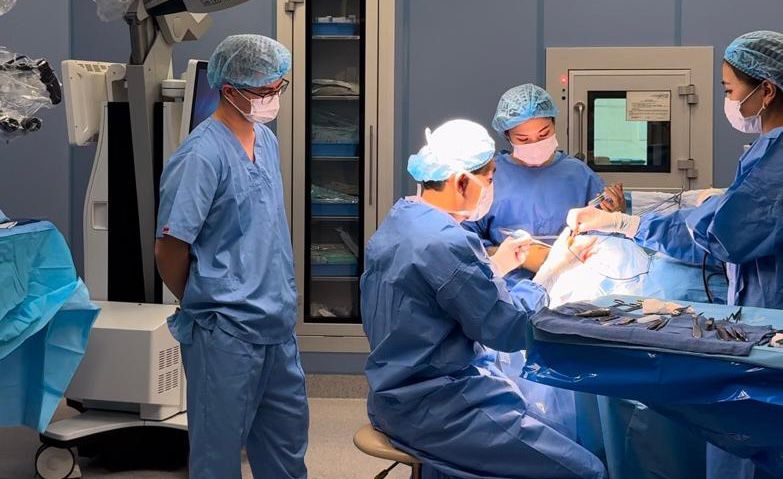
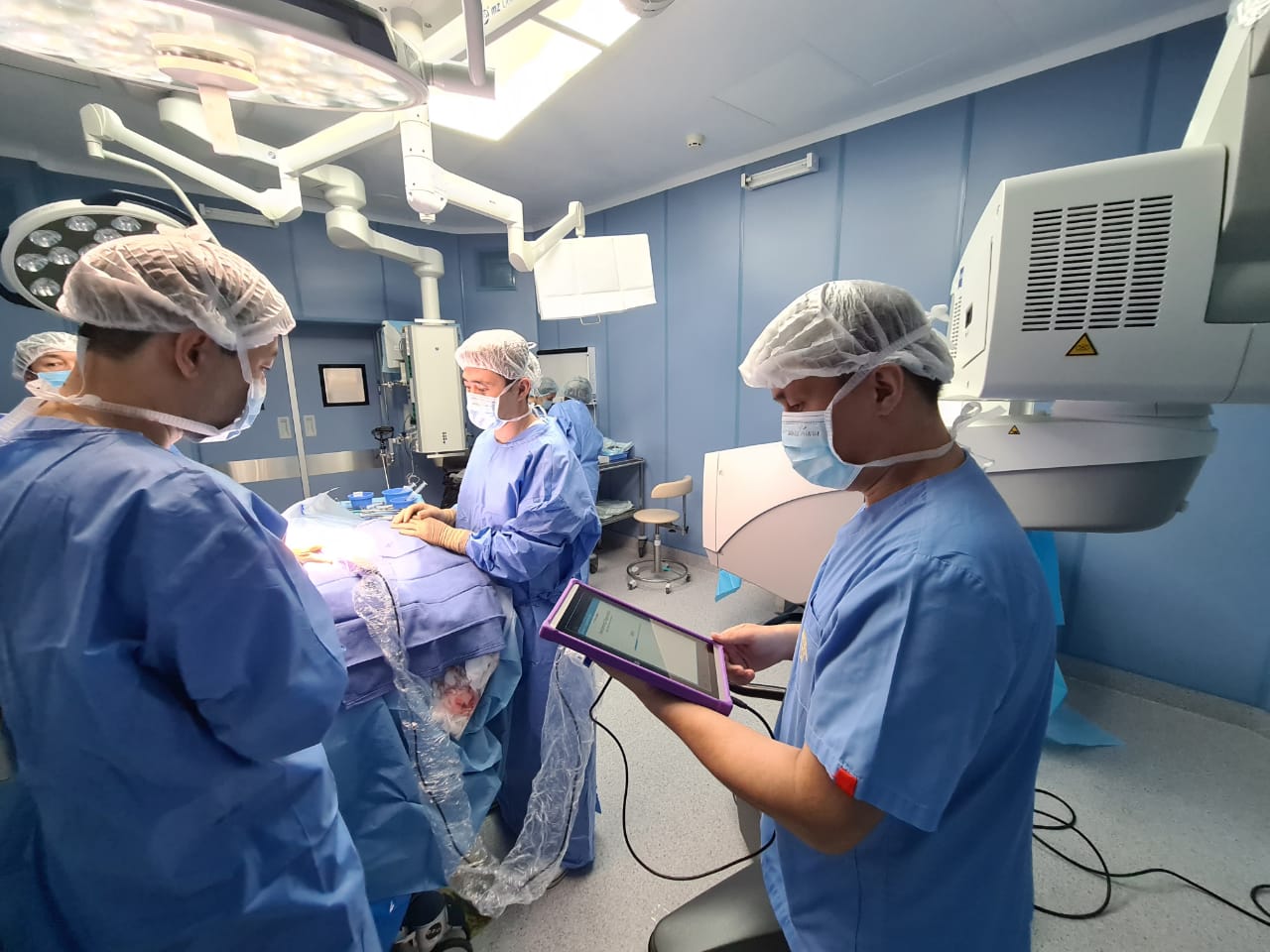
In 2018, the Epileptology Center was opened at the Medical Center Hospital of the President’s Affairs Administration of the Republic of Kazakhstan. A complete patient care system has been implemented here: from diagnosis to medication management, in-depth examinations, and complex surgical operations.
"Our Center covers the full treatment cycle of this disease. We conduct consultations, diagnostics, and research work. Operations are performed under a specifically allocated quota for epilepsy treatment," explains Zhasulan Utebekov, epileptologist at the Center. According to the doctor, with the correct selection of diagnostics and therapy, epilepsy can be treated effectively.
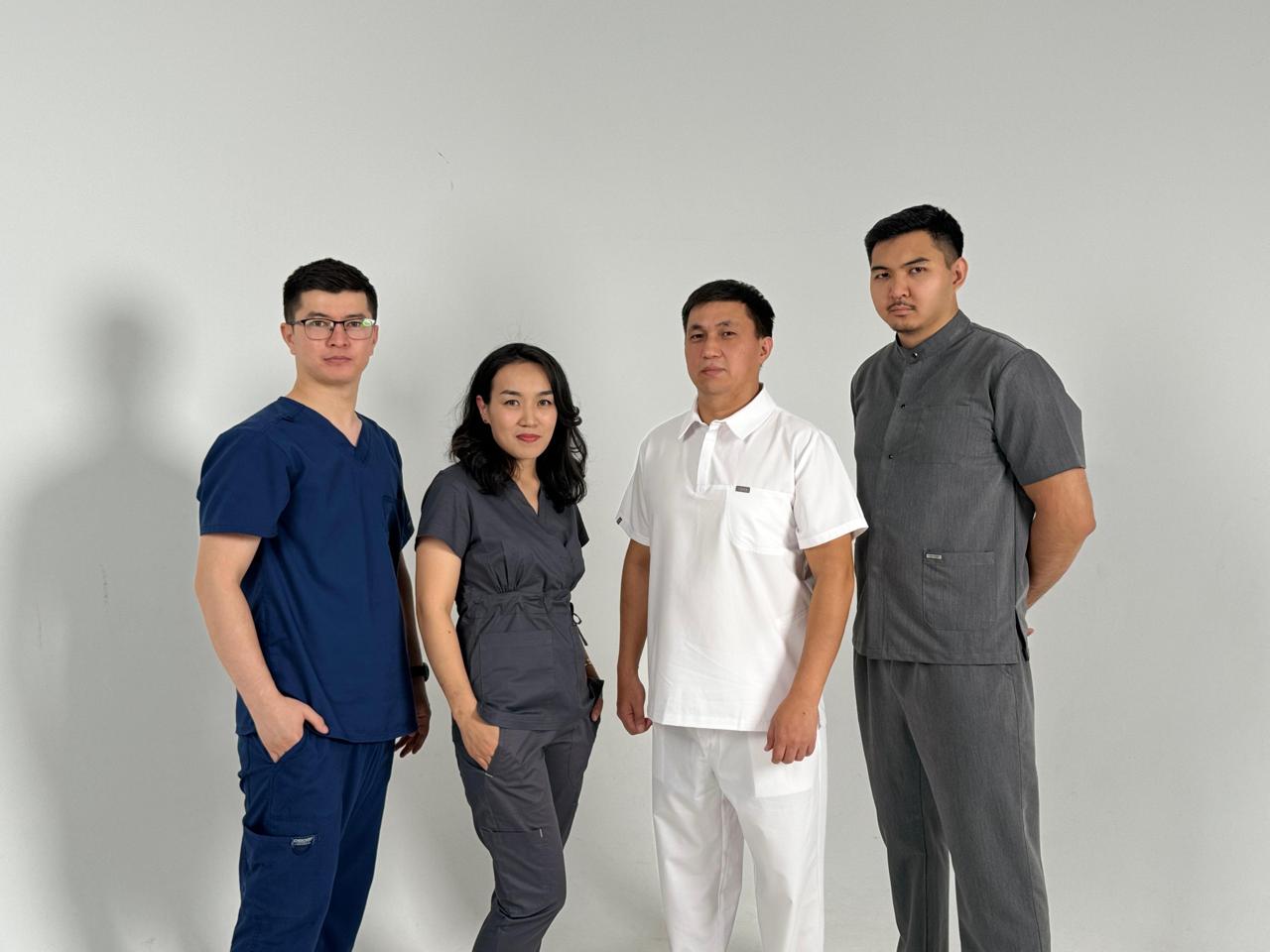
Epileptologists, neurosurgeons, radiologists, and neurologists work together at the Center. Hundreds of patients are examined annually, thousands of EEGs are performed, and several complex operations and specialized studies are conducted. Since 2018, about 200 operations have been performed, and 67% of patients are currently living free from epilepsy.
One of the most cutting-edge methods used at the Epileptology Center is Stereo-EEG. This invasive method involves placing electrodes with 8-18 contacts into deep regions of the brain, allowing for the precise localization of the seizure focus. It is used to investigate deep cortical structures and provides the ability to visualize the epilepsy focus with high precision.
Another advanced method is the implantable nerve stimulator, a small device implanted into the body. It sends mild electrical impulses to the brain via nerves, helping to reduce the number of seizures and serving as an effective alternative when drug treatment is ineffective.
In most cases, epilepsy can be controlled with medication. Factors that trigger seizures include sleep deprivation, stress, bright lights, alcohol consumption, and missing medication doses.
The main mission of the Epileptology Center is to improve patients' quality of life using modern technologies and qualified specialists, minimizing the number of seizures as much as possible or stopping them completely.
.jpeg)